
Key takeaways
-
01
A waistcoat and a vest are the same garment. “Waistcoat” is the British and Australian word, “vest” is the American one, and in Australia both are used, which is where the confusion comes from.
-
02
The waistcoat earns its place after the jacket comes off. In shirtsleeves a man reads undressed; in a waistcoat he reads deliberate.
-
03
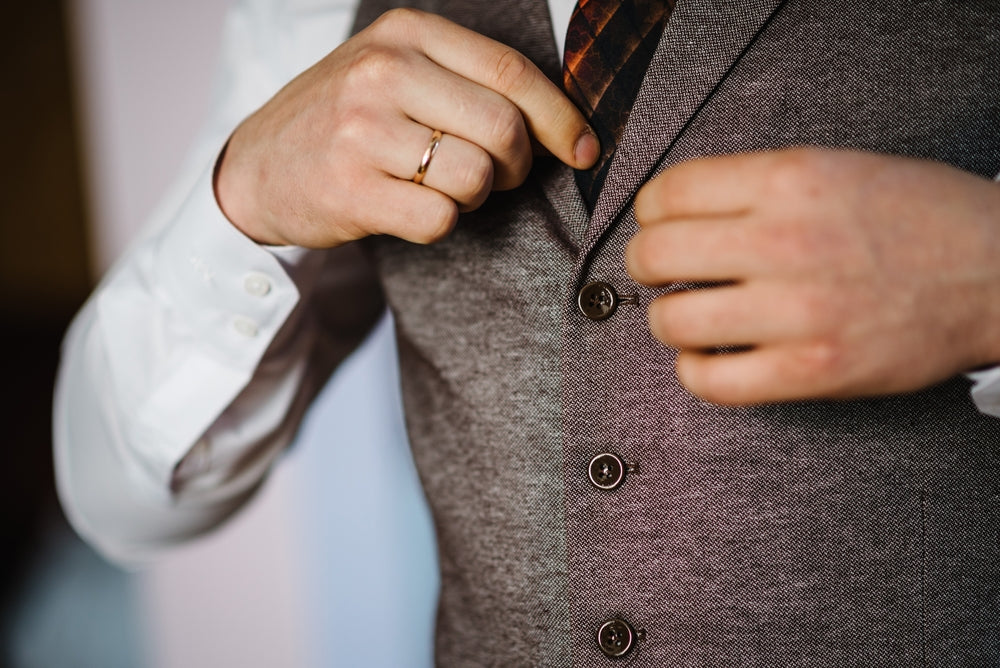
It should sit just below the waistband and cover it completely. A band of shirt showing at the waist is the most common fault.
-
04
How high the waistcoat sits controls how much shirt and tie you see, and so how formal the whole outfit reads.
-
05
A three-piece is a third layer. At a summer wedding it needs a cloth under 200gsm to be wearable at all.
A waistcoat and a vest are the same thing: the sleeveless layer that sits between your shirt and jacket in a three-piece suit. The British say "waistcoat", Americans say "vest", and here in Australia we use both, which is why it gets confusing.
The more useful question is what a waistcoat actually does. It does quite a lot, and most of it only shows once the jacket comes off. As tailors who make waistcoats to measure, we'll take you through the main styles, how one should fit, and when you're better off leaving it at home. Our senior tailor, Richard Song, covers what a waistcoat does and how it should fit in the video below.
Waistcoat or Vest: Why There Are Two Names
They're the same garment. "Waistcoat" is the British and Australian term and "vest" is the American one, and because Australia uses both, the vest vs waistcoat question comes up here more than anywhere else.
It doesn't help that "vest" means something else again in Australia. Here it also covers a puffer vest, or the hi-vis vest on a work site, so a word that means one tailored garment in America carries at least three meanings locally. On a suit, in a fitting or on a wedding invitation, it means the waistcoat.
Two more terms are worth knowing. A three-piece suit is a jacket, trousers and waistcoat all cut from the same cloth. An odd waistcoat is one in a different cloth from the suit, worn for contrast rather than as part of a matched set, and it's how a waistcoat works with separates or at a less formal event.
We say "waistcoat" through the rest of this article, because it's the word we use in the studio.
What a Waistcoat Actually Does
A waistcoat does four practical jobs, and the first three happen while the jacket's still on.
“It helps keep the shirt nicely tucked in, slims the torso, and allows the jacket to drape elegantly.”
In practice, that means the shirt doesn't billow at the waist after a few hours of sitting and standing, the torso gets a clean, closed line, and the jacket has something smooth to hang over instead of catching on shirt folds. The fourth job is the waist itself, which the waistcoat defines so the shoulders read wider by comparison.
“A vest defines the waist. It enhances the masculine V-shape. And even when you take the jacket off, it looks intentional.”
That last line is the one that matters. At a wedding or a long dinner, the jacket comes off. A man in shirtsleeves reads undressed, while a man in a waistcoat reads deliberate, and that difference lasts the rest of the night.
It's why the waistcoat earns its place in the hours after the ceremony rather than in the photographs before it. By the time the speeches are done and the jackets are on the backs of chairs, it's the only thing keeping an outfit looking like a suit.
Where the Waistcoat Came From
The waistcoat has an exact starting date. On 7 October 1666, Charles II declared in Council that he was setting a new fashion for clothes at court, one he promised never to alter, and Samuel Pepys recorded it in his diary the next day. The new garment was a long vest worn under a coat, and Pepys noted the point of it: "it is to teach the nobility thrift". A fixed fashion meant the court could stop paying to keep up with every change in style.
That coat-and-vest pairing, as the Fashion History Timeline puts it, was the forerunner of the coat-and-waistcoat style and "the origin of the man's suit". It's why the waistcoat is part of a suit's structure rather than an accessory added to one.
The Styles, and What Each One Is For

Single-Breasted and Double-Breasted
Single-breasted is the default. It's clean and versatile, and it's the right choice for business and for most weddings, because it sits quietly under a jacket and looks just as tidy on its own once the jacket's off.
Double-breasted has more presence across the chest and reads more formal. It's a deliberate choice rather than a safe one, and it works best when it's meant to be noticed, such as under a single-breasted jacket that'll spend part of the night on a chair.
How High the Waistcoat Sits
The cut of the opening decides how much shirt and tie you see, and that's what sets the formality of the whole outfit.
- Low-cut shows more shirt and more of the tie and reads modern. It's also the traditional evening cut, which is why a black tie waistcoat sits low.
- High-cut covers more of the shirt and reads traditional, closer to a formal daytime or business look.
- U-shaped is a rounded, softer opening. It's popular with grooms, because it frames the tie without the sharper line of a V.
Lapelled Waistcoats
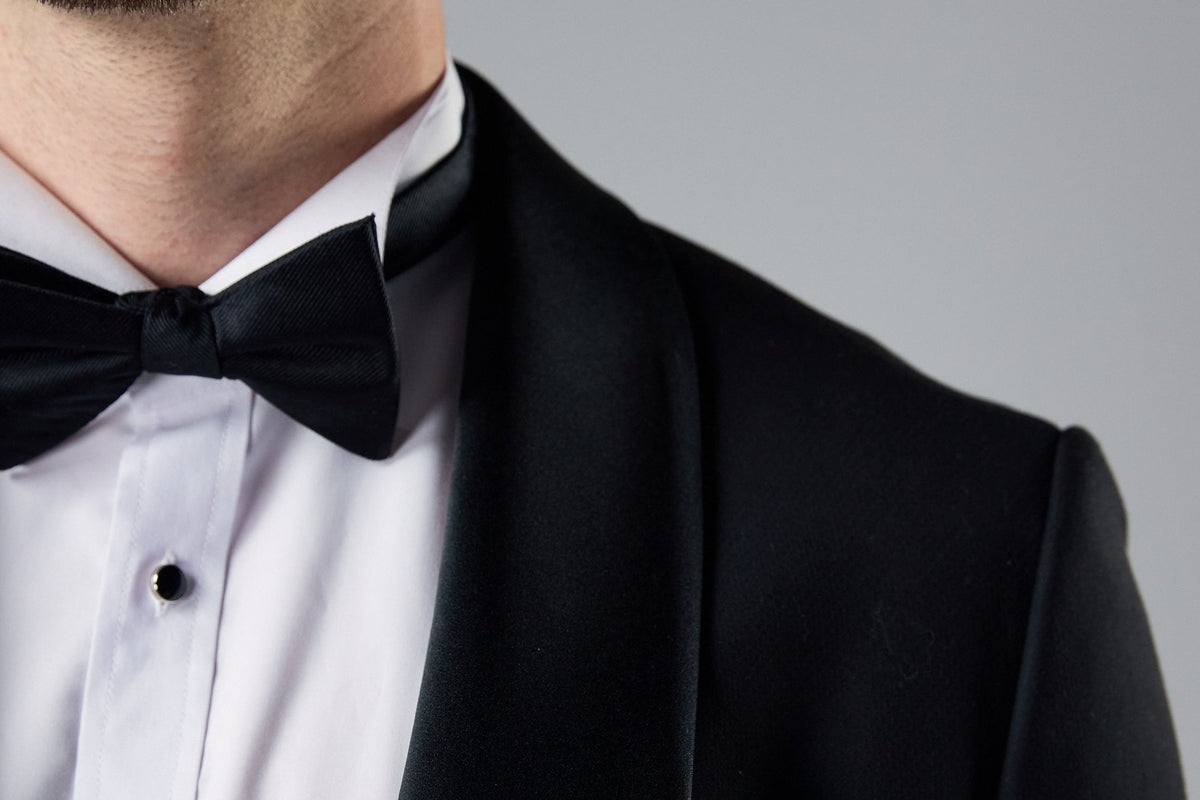
A lapelled waistcoat adds a small notch or shawl lapel to the waistcoat itself. It's the most formal option there is and it pushes the outfit toward evening wear, which makes it right for an evening reception or a black tie event.
It's also the easiest waistcoat to overdo at a daytime wedding, where it can read as dressing for a different occasion. If you're unsure, leave the lapels to the jacket. Lapelled styles belong with formal waistcoats and evening dress rather than a garden ceremony at two in the afternoon.
How Should a Waistcoat Fit
Fit is where a waistcoat either looks considered or looks bought. There are three points to check.
Length. It should sit just below the waistband and cover it completely. Too short, and a band of shirt shows at the waist, which is the single most common fault we see. Richard sets the limit at the other end:
“The length of the vest should sit just below the waistband and not too long where the legs look short.”
Armholes and chest. The armholes should sit close without cutting in, and the front should lie flat across the chest. Gaping at either is what makes a bought waistcoat look bought.
Midsection. You want a clean line through the waist, with no pulling at the buttons and no spare fabric bunching below them.
The strap or cinch at the back adjusts the fit, but it's there for fine-tuning. A waistcoat that relies on it to stay closed is the wrong size.
Not all of this shows equally. With the jacket on, only the band of shirt at the waist and pulling across the buttons are visible. With the jacket off, everything shows, gaping armholes included, and that's exactly when a waistcoat is supposed to be doing its best work.
When to Wear One, and When to Skip It
A waistcoat is a choice rather than a requirement at almost every event. So the question isn't whether you're allowed to wear one, it's what it adds and what it costs you.
Weddings, and When a Three-Piece Is Too Much
The honest Australian answer is that a three-piece suits a formal or cool-weather wedding and an evening reception, and it's a genuine burden at a February garden ceremony.
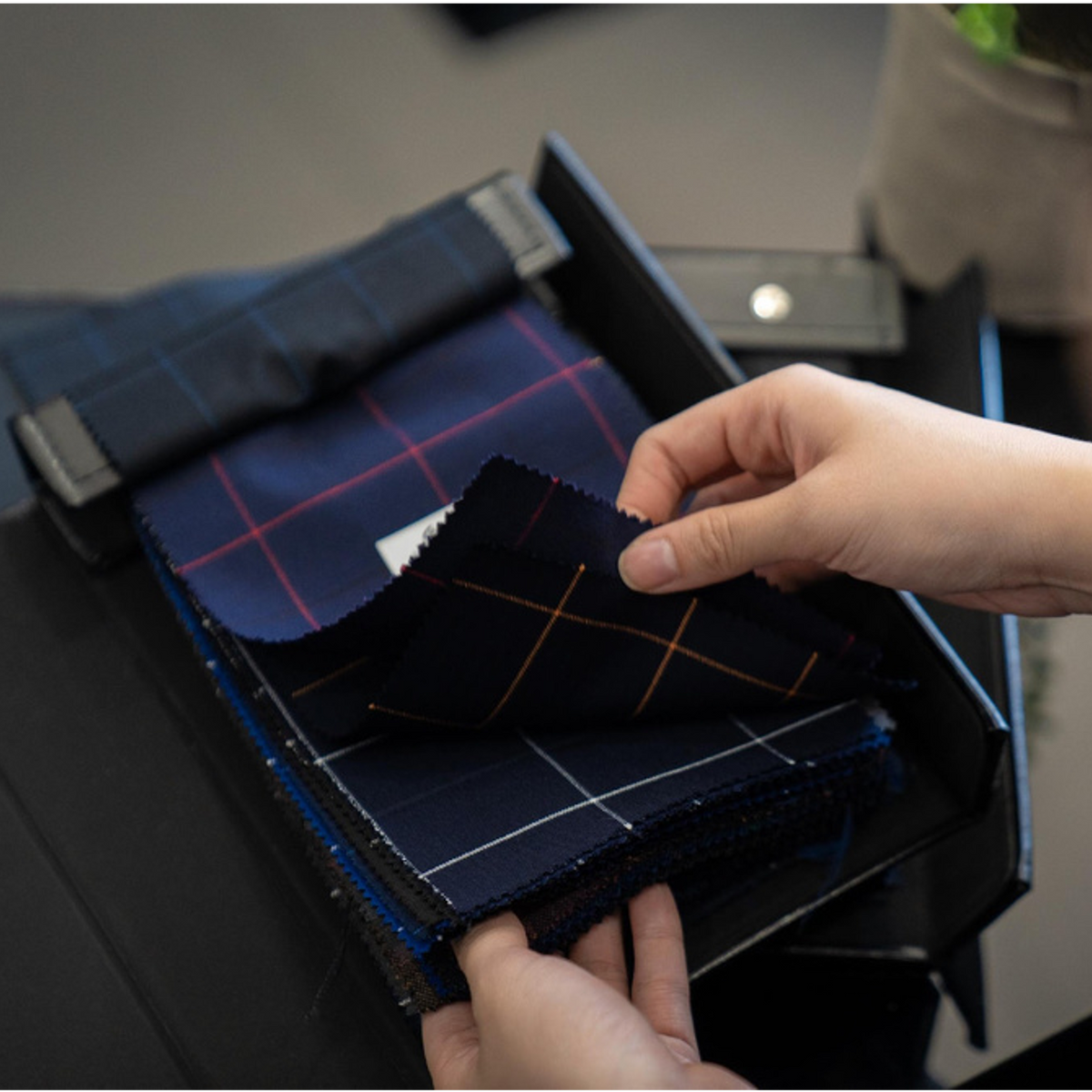
The trade-off is heat. A waistcoat is a third layer, and in a standard business weight it'll be uncomfortable through a Sydney summer. In a lightweight cloth under 200gsm, it becomes wearable where a heavier one isn't.
There's one case where it earns its place regardless: the jacket-off reception, where it keeps you looking dressed long after the speeches. If you're weighing up a wedding waistcoat, that's the question to ask: will the jacket come off?
The Waistcoat at Work
At work, it comes down to matching. A matching three-piece reads formal and slightly traditional in most Australian offices, while an odd waistcoat in a contrasting cloth reads considered rather than costumed.
It works in client-facing and professional-services settings, where a bit of extra formality is an asset. It doesn't work in relaxed or creative offices, where it'll read as dressing for a different job. If your office suits one, an odd business waistcoat is the easier place to start.
Getting the Third Piece Right with Lupo Bianco
A waistcoat does specific, visible work: it keeps the shirt in place, sharpens the line of the torso, and keeps you looking dressed once the jacket's off. And fit is what separates one that looks considered from one that looks hired.
At our Strathfield studio, a waistcoat is cut and fitted alongside the rest of the suit, so its length is set against your trousers and its chest against your jacket, and it's checked at each fitting with the jacket both on and off. Book a consultation and we'll work out whether a third piece suits the way you'll actually wear the suit.